Question 1 of 10
In a food chain, which organism is the primary consumer?
ARabbit
BEagle
CFox
DGrass
Explanation
📌 Primary consumer = herbivore = eats producers (plants).
Producers → Primary consumers → Secondary consumers → Tertiary consumers
Producers → Primary consumers → Secondary consumers → Tertiary consumers
Question 2 of 10
In an energy pyramid, which level has the MOST energy?
AProducers
BPrimary consumers
CTertiary consumers
DSecondary consumers
Explanation
📌 Producers (bottom level) have the most energy. Only ~10% transfers to each higher level. This is the 10% rule.
Question 3 of 10
The relationship between a bee and a flower is an example of:
Acommensalism
Bpredation
Cmutualism
Dparasitism
Explanation
📌 Mutualism: both benefit. Bee gets nectar (food), flower gets pollinated.
Parasitism: one benefits, other harmed. Commensalism: one benefits, other unaffected.
Parasitism: one benefits, other harmed. Commensalism: one benefits, other unaffected.
Question 4 of 10
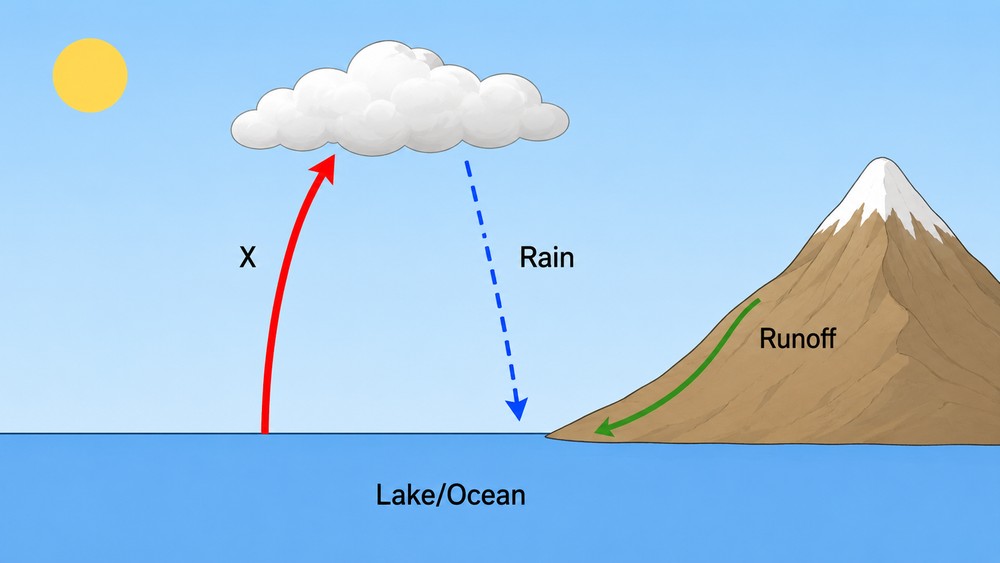
Which process in the water cycle is shown by arrow X?
AEvaporation
BPrecipitation
CCondensation
DRunoff
Explanation
📌 Arrow X shows water rising from the surface to the clouds → Evaporation
Evaporation = liquid water → water vapor (gas) due to heat from the sun.
Complete cycle: Evaporation → Condensation (clouds form) → Precipitation (rain) → Runoff → Collection
Evaporation = liquid water → water vapor (gas) due to heat from the sun.
Complete cycle: Evaporation → Condensation (clouds form) → Precipitation (rain) → Runoff → Collection
Question 5 of 10
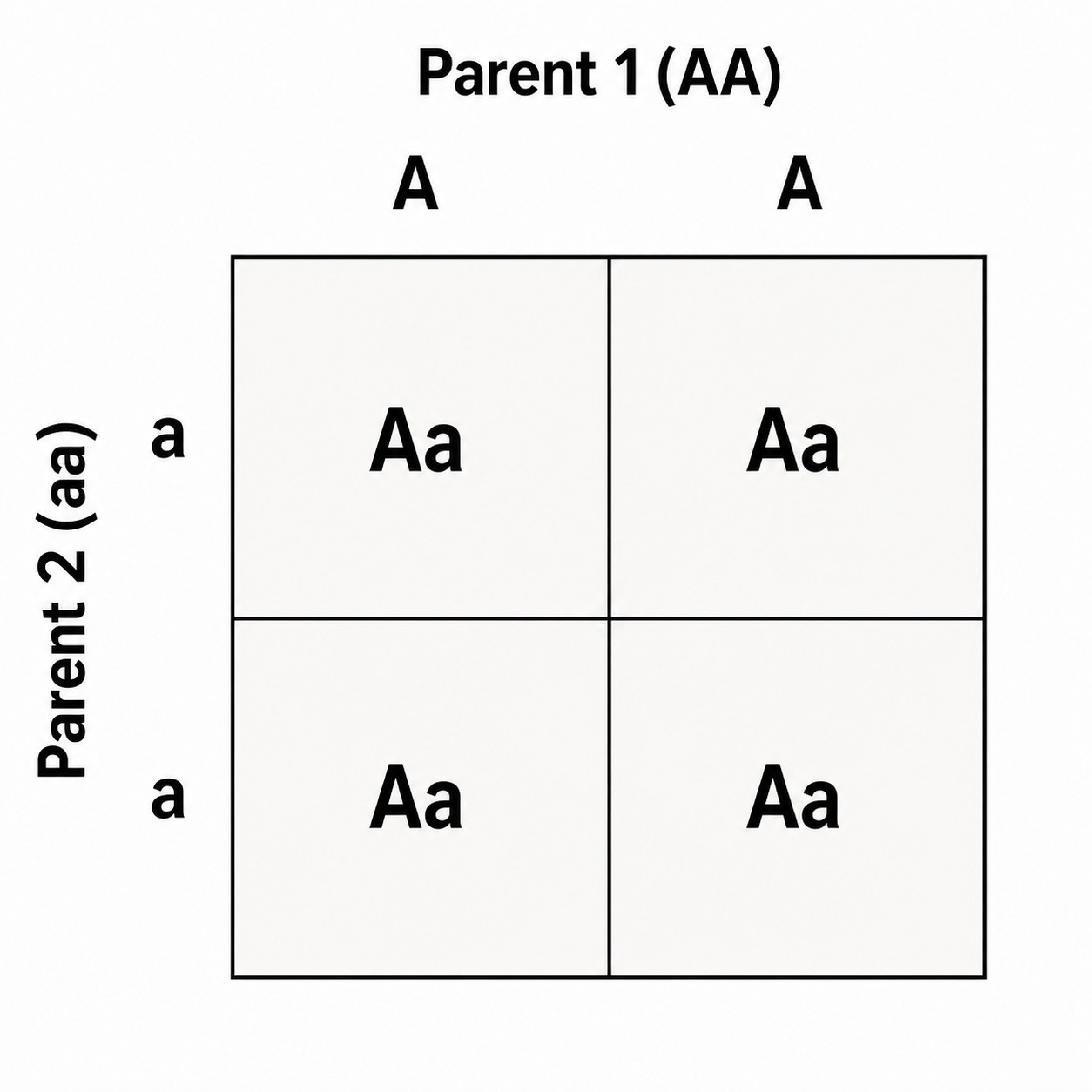
For AA × aa, what is the genotype of all offspring?
AAll Aa
B1 AA : 2 Aa : 1 aa
CAll AA
DAll aa
Explanation
Each parent contributes a different homozygous allele → 100% Aa heterozygous.
Question 6 of 10
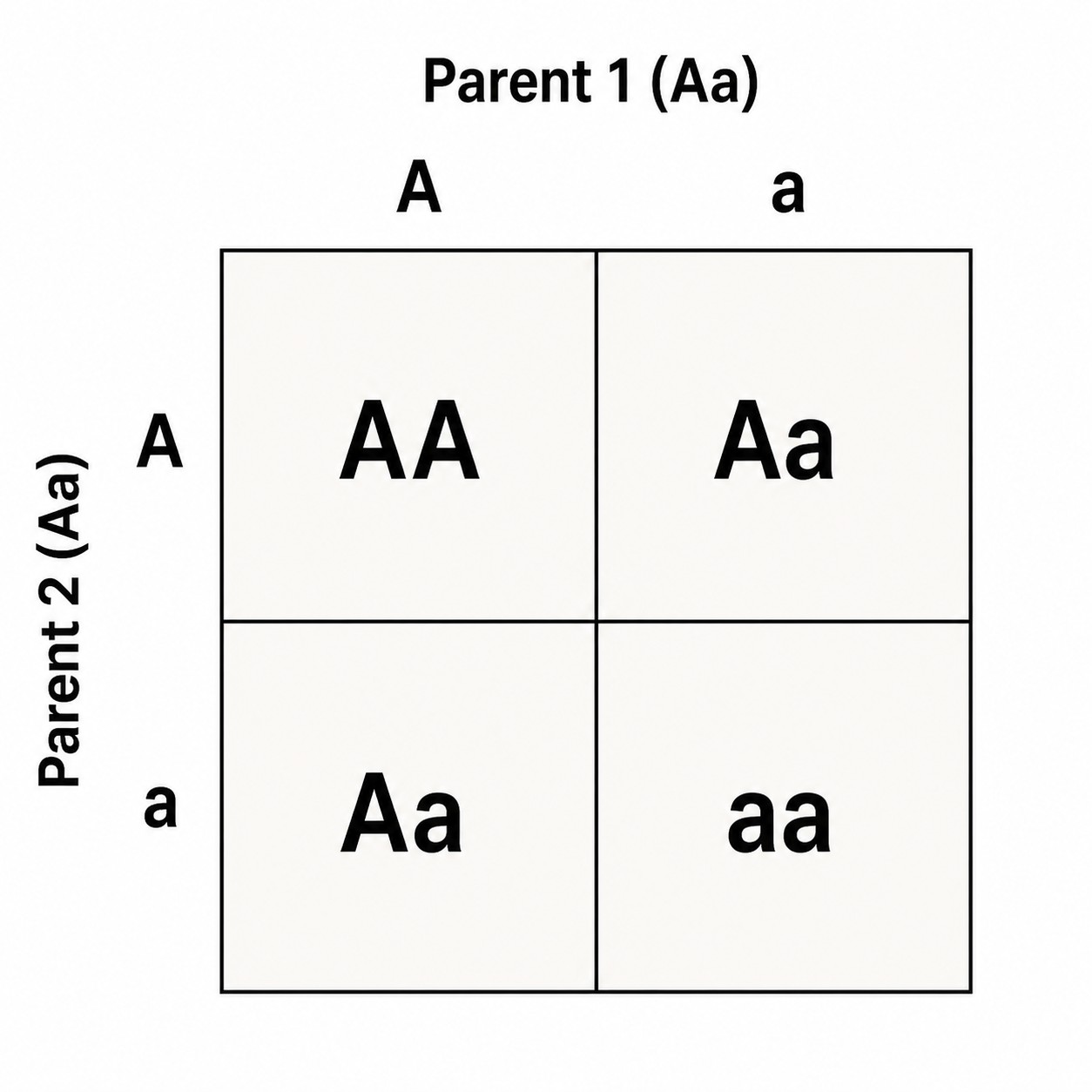
Use the Punnett square to determine the probability of offspring with the homozygous recessive (aa) genotype.
A1/4 (25%)
B0
C3/4 (75%)
D1/2 (50%)
Explanation
Aa × Aa cross: AA, Aa, Aa, aa. Only one box (aa) shows the homozygous recessive: 1/4 = 25%.
Question 7 of 10
Which of the following is a biotic factor?
AWater
BBacteria
CSunlight
DTemperature
Explanation
📌 Biotic = living things (plants, animals, bacteria).
Abiotic = non-living (temperature, water, sunlight, soil).
Abiotic = non-living (temperature, water, sunlight, soil).
Question 8 of 10
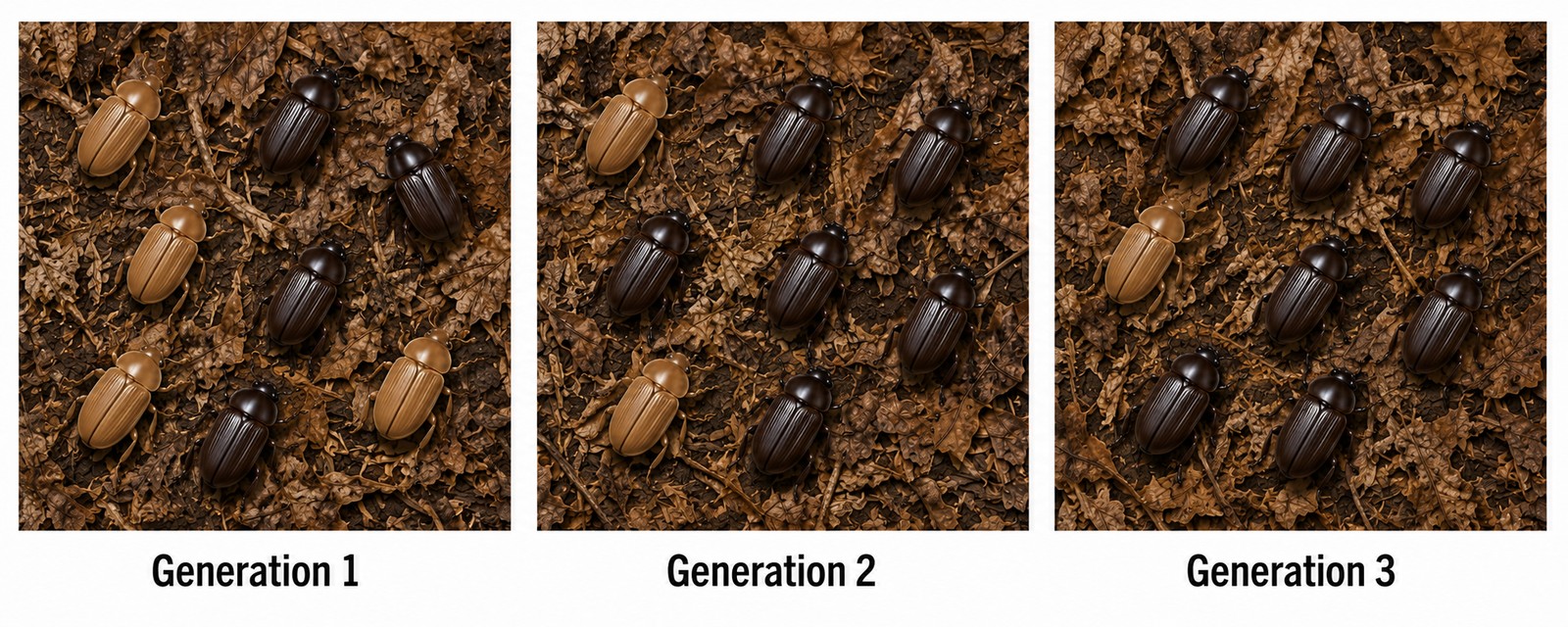
Natural selection can BEST be described as:
AOrganisms choosing their mates
BEvery organism in a population has an equal chance of surviving and breeding
COrganisms with favorable traits surviving and reproducing more
DOrganisms changing their DNA intentionally
Explanation
📌 Natural selection = organisms with favorable traits survive and reproduce more, passing those traits to offspring. 'Survival of the fittest.'
Question 9 of 10
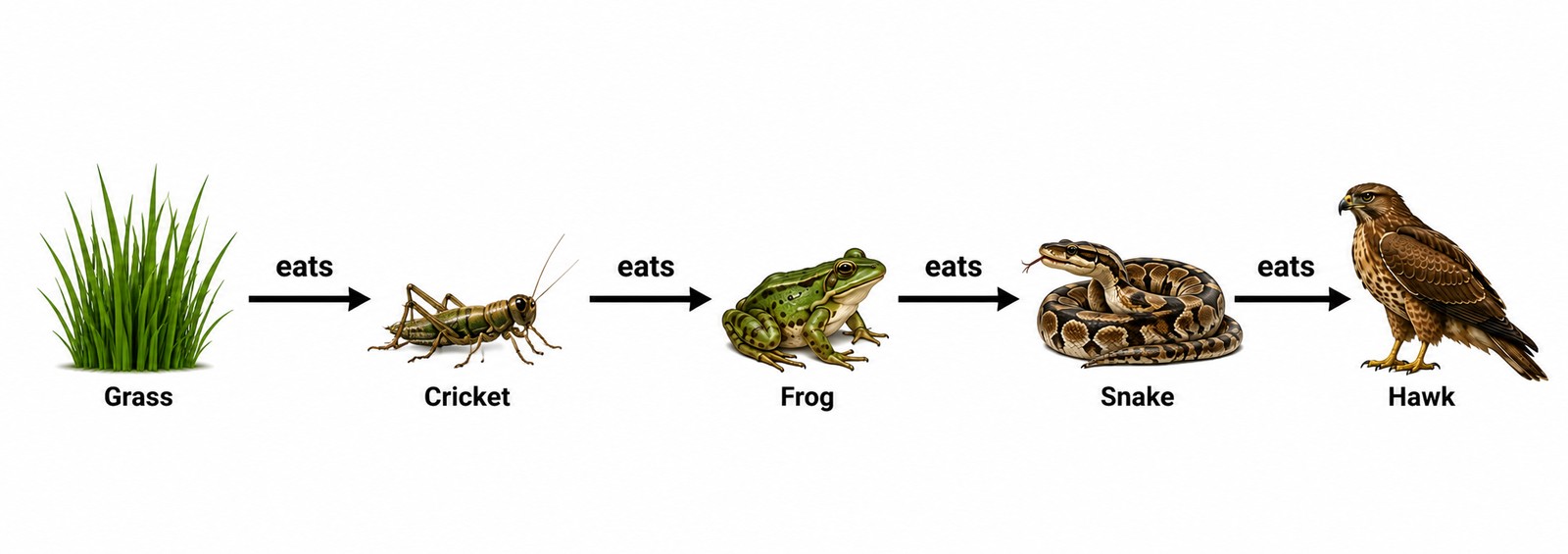
In the food chain: Grass → Cricket → Frog → Snake → Hawk, which organism is a tertiary consumer?
ACricket
BSnake
CFrog
DHawk
Explanation
📌 Trophic levels:
Grass = Producer
Cricket = Primary consumer (1°) — eats plants
Frog = Secondary consumer (2°) — eats primary consumer
Snake = Tertiary consumer (3°) — eats secondary consumer
Hawk = Quaternary consumer (4°)
Grass = Producer
Cricket = Primary consumer (1°) — eats plants
Frog = Secondary consumer (2°) — eats primary consumer
Snake = Tertiary consumer (3°) — eats secondary consumer
Hawk = Quaternary consumer (4°)
Question 10 of 10
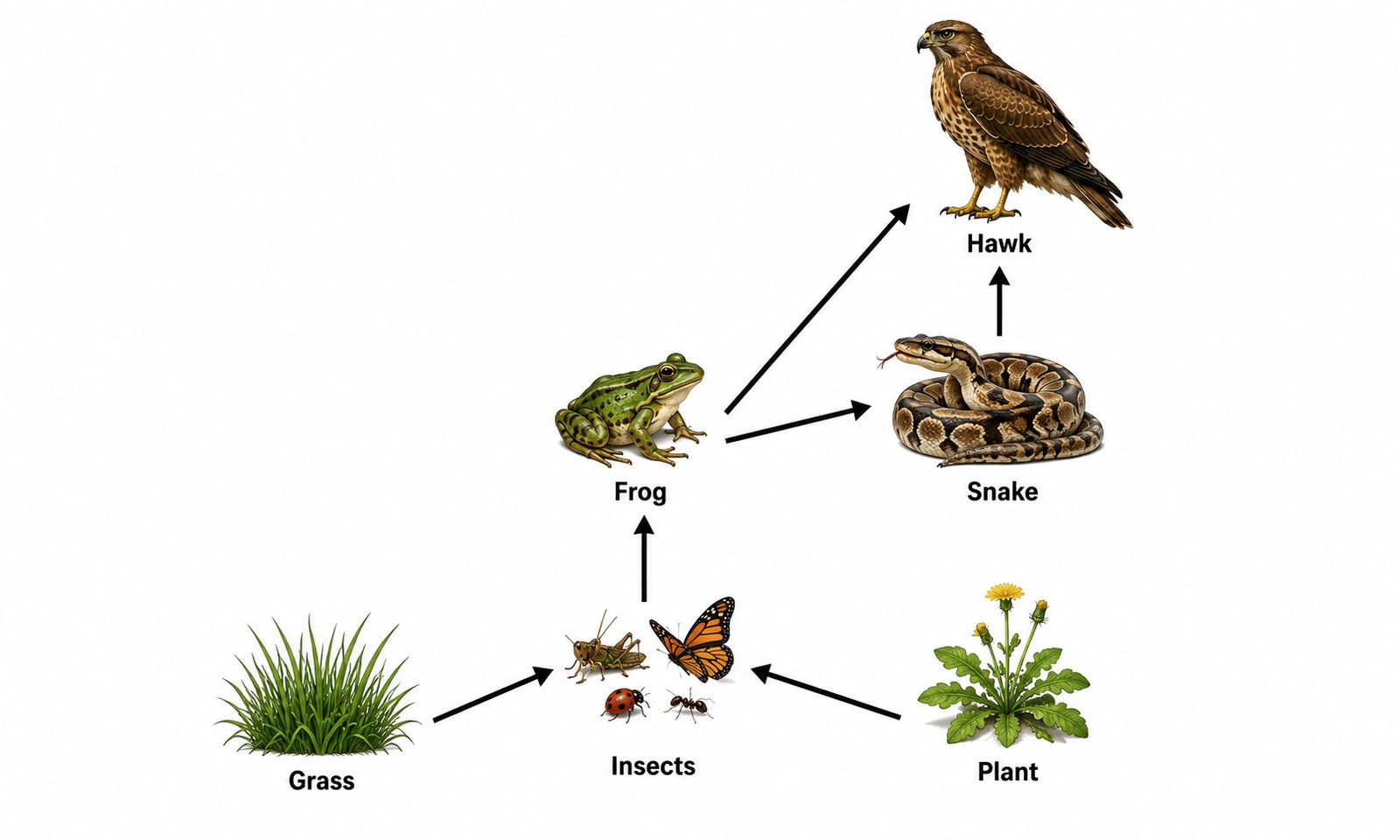
In the food web below, what would happen if all the frogs were removed?
AInsect population increases and snake population decreases
BSnake population increases
CThe whole food web stays exactly the same and nothing changes at all
DEvery organism in the entire food web quickly dies off completely
Explanation
📌 If frogs are removed:
• Insects (grasshoppers) they ate would INCREASE (no predator)
• Snakes that ate frogs would DECREASE (less food)
• This demonstrates how removing one species affects the entire food web. Snakes lose a food source so they cannot increase, the web does not stay unchanged, and it does not wipe out every organism.
• Insects (grasshoppers) they ate would INCREASE (no predator)
• Snakes that ate frogs would DECREASE (less food)
• This demonstrates how removing one species affects the entire food web. Snakes lose a food source so they cannot increase, the web does not stay unchanged, and it does not wipe out every organism.