Biology — Semester B
Free Practice · 10 Questions · 180 min
180:00 Exit
1
2
3
4
5
6
7
8
9
10
Question 1 of 10
TEKS 6A-6H Easy Word
In DNA, adenine (A) always pairs with:
A cytosine
B uracil
C guanine
D thymine
Explanation
📌 Base pairing rules: A-T (2 hydrogen bonds), G-C (3 hydrogen bonds).
In RNA: A-U instead of A-T.
Question 2 of 10
TEKS 6A-6H Medium Word Diagram
The diagram shows the central dogma of molecular biology. What process occurs at step 2? DNA Step 1 mRNA Step 2 Protein Transcription Translation
A Replication
B Mutation
C Translation
D Transcription
Explanation
📌 Central Dogma: DNA → mRNA → Protein
Step 1 = Transcription (DNA → mRNA, in nucleus)
Step 2 = Translation (mRNA → Protein, at ribosomes)

mRNA carries the genetic code from DNA to the ribosome where proteins are assembled.
Question 3 of 10
TEKS 6A-6H Easy Word
DNA is made up of repeating units called:
A fatty acids
B amino acids
C nucleotides
D monosaccharides
Explanation
📌 DNA is a polymer of nucleotides. Each nucleotide = phosphate group + deoxyribose sugar + nitrogenous base (A, T, G, C).
Question 4 of 10
TEKS 11A-12F Easy Word Diagram
The diagram shows a carbon cycle. Which process RELEASES carbon dioxide into the atmosphere? CO₂ in Air Plants Animals Decomposers Photosynthesis (absorbs CO₂) Respiration (releases CO₂) eating decomposition
A Photosynthesis
B Cellular respiration
C Nitrogen fixation
D Condensation
Explanation
📌 Processes that RELEASE CO₂:
• Cellular respiration (animals AND plants)
• Combustion (burning fossil fuels)
• Decomposition

Process that ABSORBS CO₂:
• Photosynthesis
Question 5 of 10
TEKS 10A-10C Easy Word
Homeostasis is:
A maintaining stable internal conditions
B the classification of organisms
C the study of ecosystems
D the process of cell division
Explanation
📌 Homeostasis = maintaining stable internal conditions (body temp, blood sugar, pH, water balance) despite external changes.
Question 6 of 10
TEKS 11A-12F Easy Word
Which of the following is a biotic factor?
A Temperature
B Sunlight
C Bacteria
D Water
Explanation
📌 Biotic = living things (plants, animals, bacteria).
Abiotic = non-living (temperature, water, sunlight, soil).
Question 7 of 10
TEKS 11A-12F Easy Word Diagram
In the food web below, what would happen if all the frogs were removed? Grass Algae Grasshopper Frog 🚫 Snail Snake
A Insect population increases and snake population decreases
B All organisms die
C Nothing changes
D Snake population increases
Explanation
📌 If frogs are removed:
• Insects (grasshoppers) they ate would INCREASE (no predator)
• Snakes that ate frogs would DECREASE (less food)
• This demonstrates how removing one species affects the entire food web.
Question 8 of 10
TEKS 6A-6H Medium Word Diagram
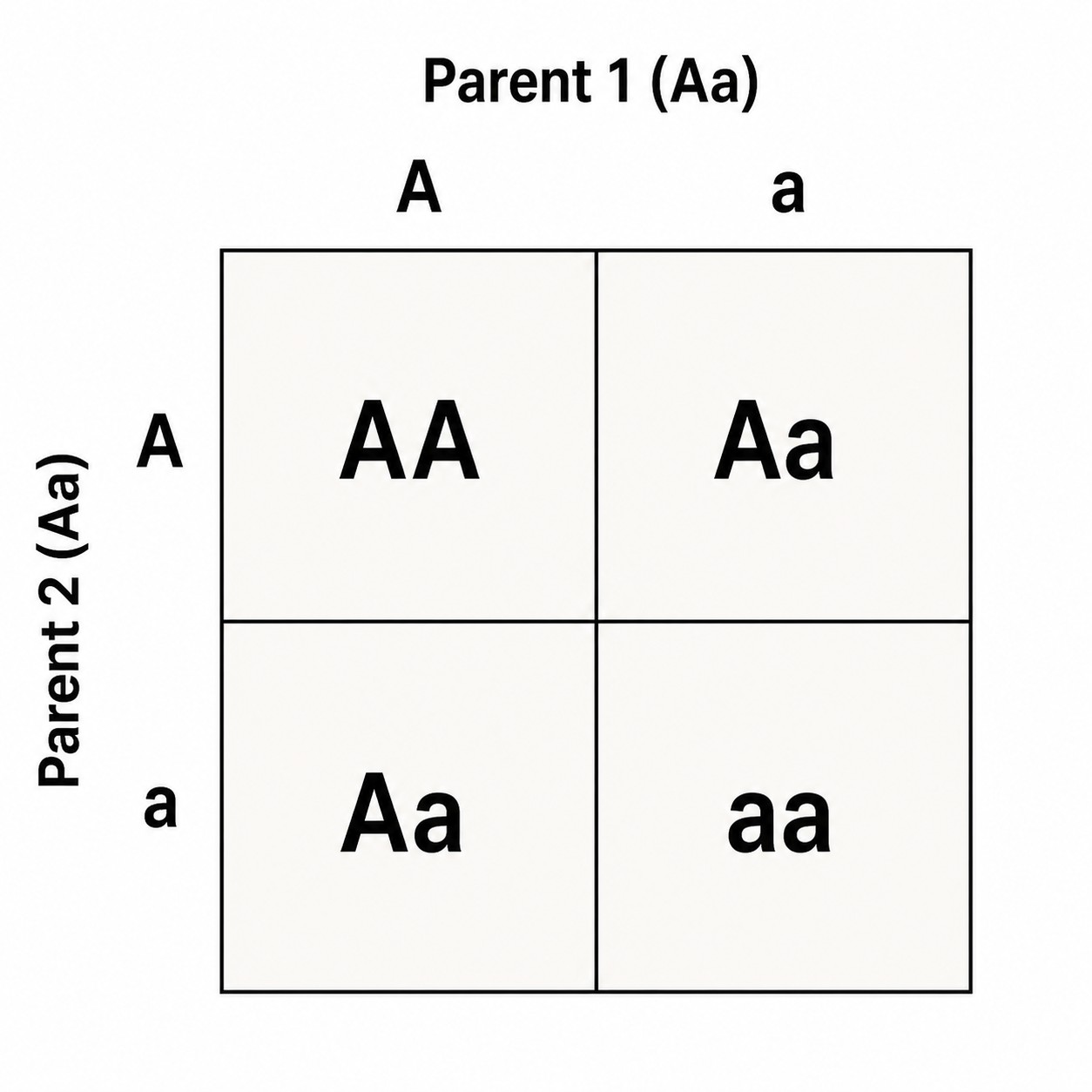
Based on the Punnett square below, what is the probability of the offspring being heterozygous? B b B b BB Bb Bb bb Cross: Bb × Bb
A 75%
B 50%
C 100%
D 25%
Explanation
📌 From Bb × Bb cross:
BB = 1/4 (homozygous dominant)
Bb = 2/4 = 1/2 (heterozygous) ← THIS
bb = 1/4 (homozygous recessive)
Probability of heterozygous = 50%
Question 9 of 10
TEKS 6A-6H Medium Word Diagram
The diagram shows the process of DNA replication. What does the enzyme helicase do? Helicase Double-stranded DNA Replication fork → Direction
A Joins DNA fragments
B Unwinds and separates the DNA strands
C Proofreads the new DNA
D Adds new nucleotides
Explanation
📌 Helicase UNWINDS and SEPARATES the two DNA strands by breaking hydrogen bonds between base pairs.
This creates the replication fork where new nucleotides can be added.
DNA polymerase then adds complementary nucleotides to each strand.
Question 10 of 10
TEKS 11A-12F Medium Word Diagram
The energy pyramid below shows energy transfer between trophic levels. Approximately how much energy is available to secondary consumers if producers have 10,000 kcal? Tertiary Secondary ? kcal Primary — 1,000 kcal Producers — 10,000 kcal 10% rule
A 1,000 kcal
B 100 kcal
C 5,000 kcal
D 10 kcal
Explanation
📌 The 10% Rule: Only ~10% of energy transfers to the next trophic level.
Producers: 10,000 → Primary: 1,000 → Secondary: 100 → Tertiary: 10
Secondary consumers get approximately 100 kcal.

Score
Correct
Wrong
Try Again Exit